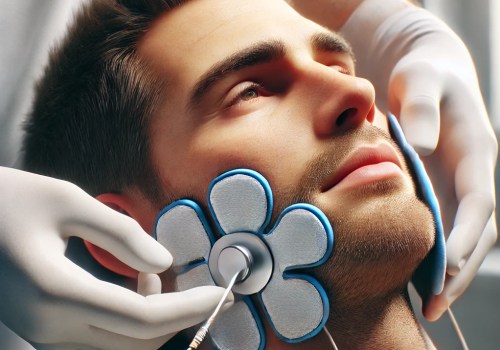
The use of Transcutaneous Electrical Nerve Stimulation (TENS) in dental settings has gained increasing attention as patients and practitioners seek more comfortable and minimally invasive treatment options. Traditionally associated with pain management in physical therapy, TENS technology is now being adapted to dentistry to help reduce discomfort during procedures and support muscle relaxation. By delivering low-voltage electrical impulses to targeted areas, TENS can help block pain signals and promote a more relaxed state, making it particularly useful for patients who experience anxiety or sensitivity during dental visits. This growing interest reflects a broader shift toward patient-centered care that prioritizes comfort alongside clinical outcomes.
Enhancing Patient Comfort and Reducing Anxiety
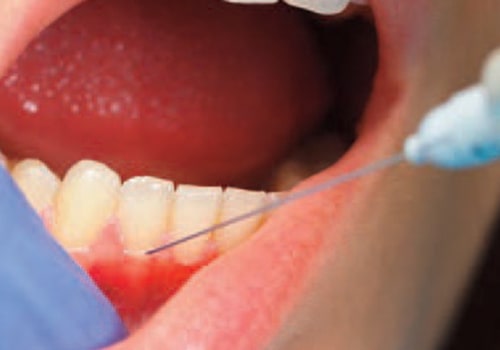
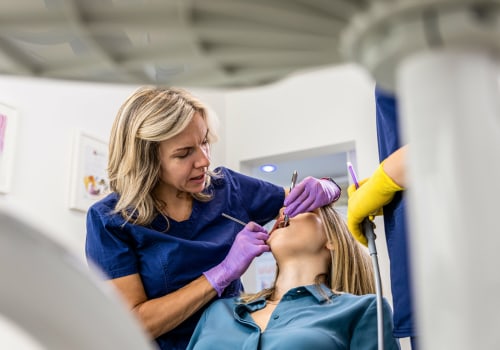
One of the primary reasons for the rising popularity of TENS in dental environments is its ability to improve patient comfort. Dental anxiety is a common concern that can prevent individuals from seeking necessary care, leading to more serious oral health issues over time. TENS offers a non-pharmacological solution that can help patients feel more at ease without relying solely on sedation. By gently stimulating nerves and encouraging relaxation, it creates a calmer experience that can make routine procedures more manageable. Practices such as Quality Dental of Danbury are increasingly recognizing the value of integrating comfort-focused technologies to enhance the overall patient experience.
Supporting Muscle Relaxation and Jaw Alignment
Beyond pain management, TENS is also used in dentistry to support muscle relaxation, particularly in patients with temporomandibular joint (TMJ) disorders or chronic jaw tension. The electrical impulses help relax the muscles around the jaw, allowing dentists to better assess natural alignment and function. This is especially beneficial when creating dental appliances, performing bite adjustments, or planning restorative treatments. By ensuring that the jaw is in a relaxed and natural position, TENS contributes to more accurate and effective outcomes, reducing the likelihood of discomfort or complications after treatment.
Complementing Traditional Dental Techniques
TENS is not intended to replace traditional dental methods but rather to complement them. It can be used alongside local anesthesia, orthodontic treatments, and restorative procedures to enhance comfort and precision. For example, during lengthy treatments, TENS can help maintain muscle relaxation, making it easier for both the patient and the dentist to manage the process. This integration of technology reflects the evolving nature of dental care, where innovation is used to improve both efficiency and patient satisfaction.
Expanding Applications in Preventive and Restorative Care
As awareness of TENS grows, its applications in dentistry continue to expand. In preventive care, it can help patients who are sensitive to routine cleanings, encouraging more consistent visits. In restorative and cosmetic procedures, it supports better alignment and reduces discomfort, contributing to improved results. The versatility of TENS makes it a valuable tool in a wide range of dental contexts, reinforcing its role as a modern solution for enhancing patient care.
A Step Toward More Patient-Centered Dentistry
Ultimately, the growing popularity of TENS in dental settings highlights a broader movement toward more patient-centered approaches in healthcare. By focusing on comfort, relaxation, and overall experience, dental professionals are creating environments that encourage regular care and positive outcomes. As technology continues to advance, tools like TENS are likely to become even more integrated into everyday practice, offering patients a more comfortable and reassuring path to maintaining their oral health.