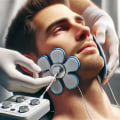
Transcutaneous electrical nerve stimulation, commonly known as TENS, uses low-voltage electrical stimulation delivered through electrodes placed on the skin. In dentistry, electrical stimulation may be discussed in relation to comfort, muscle relaxation, or certain approaches to managing discomfort involving the jaw and surrounding areas. Its use depends on the patient's circumstances, the dental procedure involved, and the recommendations of an appropriately trained dental professional. TENS should not be viewed as a universal solution or a replacement for diagnosing and treating the underlying cause of dental symptoms. Instead, it may be considered as one potential component of a broader approach that addresses physical comfort, oral health, emotional well-being, and the patient's overall experience with dental care.
Supporting Patient Comfort
Patient comfort can influence how people approach dental appointments and whether they maintain consistent oral healthcare habits. Individuals who experience jaw tension, facial discomfort, or anxiety surrounding dental procedures may benefit from discussing available comfort strategies with their dental provider. When appropriate, TENS may be incorporated into a treatment plan based on professional assessment. Other comfort measures may include communication before treatment, scheduled breaks, relaxation techniques, appropriate anesthesia, and creating a predictable appointment experience. Because every patient has different needs, dental professionals can determine which strategies are suitable. A personalized approach can help patients feel more informed and comfortable while ensuring that important oral health concerns receive appropriate attention.
Considering the Mind-Body Connection
Dental wellness involves more than teeth and gums. Anxiety, stress, and previous experiences can influence how patients perceive discomfort and how willing they are to attend appointments. Stress may also contribute to behaviors such as jaw clenching or teeth grinding, which can place additional strain on the jaw and surrounding muscles. Addressing these patterns may require attention to both physical and emotional factors. Patients can benefit from relaxation practices, adequate sleep, regular dental care, and open communication with providers. When emotional concerns surrounding dental treatment become significant, psychological support may also be appropriate. Resources such as Cabot Psychological Services can be considered as part of a broader professional support network for individuals who need assistance with anxiety, stress, or other emotional challenges.
Integrating TENS With Preventive Dental Care
Even when comfort technologies are available, preventive dental care remains fundamental to long-term oral wellness. Regular examinations, professional cleanings, brushing with fluoride toothpaste, cleaning between teeth, and maintaining healthy dietary habits can help reduce the risk of common oral health problems. TENS cannot replace these practices because it does not address every potential cause of dental disease. Instead, if recommended by a dental professional, it may complement other aspects of care for selected patients. Integrating comfort strategies with preventive practices can make dental care feel more manageable and may encourage individuals who are nervous about appointments to remain engaged with their oral health.
Creating a Comprehensive Wellness Approach
A comprehensive approach to dental wellness considers physical symptoms, emotional responses, daily habits, and individual preferences. Before using TENS, patients should discuss their health history and any relevant conditions or devices with their healthcare or dental provider to determine whether electrical stimulation is appropriate. Professional guidance is particularly important because TENS is not suitable for everyone. Ultimately, the potential role of TENS in dentistry is best understood as part of personalized care rather than as a standalone treatment. When appropriate, comfort-focused strategies can be combined with preventive dentistry, clear communication, healthy routines, and psychological support to create a more positive healthcare experience. By addressing both oral health needs and the factors that influence patient comfort and confidence, dental professionals can help individuals pursue better long-term wellness while making routine care feel more accessible and manageable.