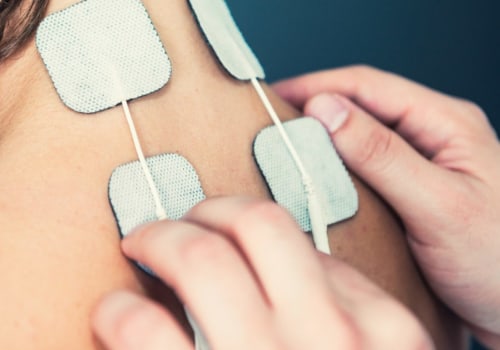
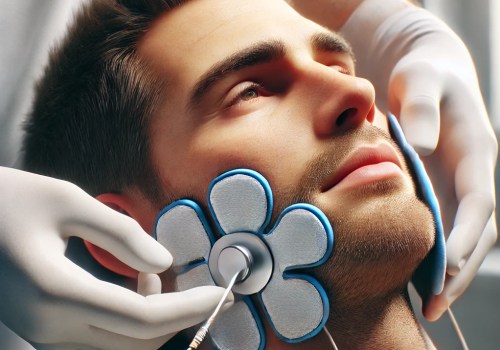
Transcutaneous Electrical Nerve Stimulation (TENS) has become an innovative addition to modern dentistry, offering a gentle and effective approach to managing discomfort during various dental procedures. Originally used in physical therapy to relieve muscle pain, TENS technology has been adapted to dentistry to help relax facial muscles and reduce sensitivity in the jaw area. By delivering mild electrical impulses through electrodes placed on the skin, TENS helps interrupt pain signals and promote muscle relaxation. This makes it particularly beneficial for patients who experience anxiety or discomfort during dental treatments, providing a more calming and controlled experience.
Enhancing Patient Comfort During Procedures
One of the primary advantages of TENS in dentistry is its ability to enhance patient comfort without relying heavily on traditional anesthesia. The gentle stimulation helps reduce pain perception, allowing patients to undergo procedures with minimal discomfort. This is especially helpful for individuals with sensitive teeth or those who have a low tolerance for dental pain. By creating a more relaxed environment, TENS can also reduce anxiety, making dental visits less stressful. Patients who feel more at ease are more likely to maintain regular dental appointments, which is essential for long-term oral health.
Supporting Muscle Relaxation and Jaw Alignment
TENS is particularly useful in addressing issues related to jaw tension and muscle strain. Many patients experience tightness in the jaw due to stress, teeth grinding, or misalignment. TENS therapy helps relax these muscles, making it easier for dentists to perform procedures that require precise positioning of the jaw. This is especially beneficial in orthodontic treatments, where proper alignment is crucial. For patients undergoing treatments such as dental braces in Newcastle, TENS can assist in reducing discomfort associated with adjustments and help the jaw adapt more comfortably to changes in alignment.
Improving Treatment Efficiency and Outcomes
Incorporating TENS into dental procedures can also improve overall treatment efficiency. When patients are relaxed and comfortable, dentists can work more effectively, reducing the need for interruptions or additional interventions. This leads to smoother procedures and better outcomes. Additionally, the use of TENS can minimize the need for higher doses of anesthetics, which can be beneficial for patients who prefer less invasive options. By supporting both the patient and the practitioner, TENS contributes to a more streamlined and effective dental experience.
A Modern Approach to Patient-Centered Care
The integration of TENS technology reflects a broader shift toward patient-centered care in dentistry. Modern dental practices are increasingly focused on providing treatments that prioritize comfort, efficiency, and overall well-being. TENS aligns with these goals by offering a non-invasive solution that enhances the patient experience. It also demonstrates a commitment to adopting advanced technologies that improve both the quality and accessibility of dental care.
Promoting Positive Dental Experiences
Ultimately, TENS in dentistry supports gentle and effective treatments by addressing both physical discomfort and emotional concerns. Patients who experience less pain and anxiety are more likely to view dental care positively, leading to better long-term oral health habits. By combining innovative technology with compassionate care, dental professionals can create an environment where patients feel supported and confident in their treatment journey. This approach not only improves individual experiences but also contributes to a higher standard of care within the dental industry.